
Building Resilience Through Distributed Energy Resources: Opportunities for Collaboration in South Carolina
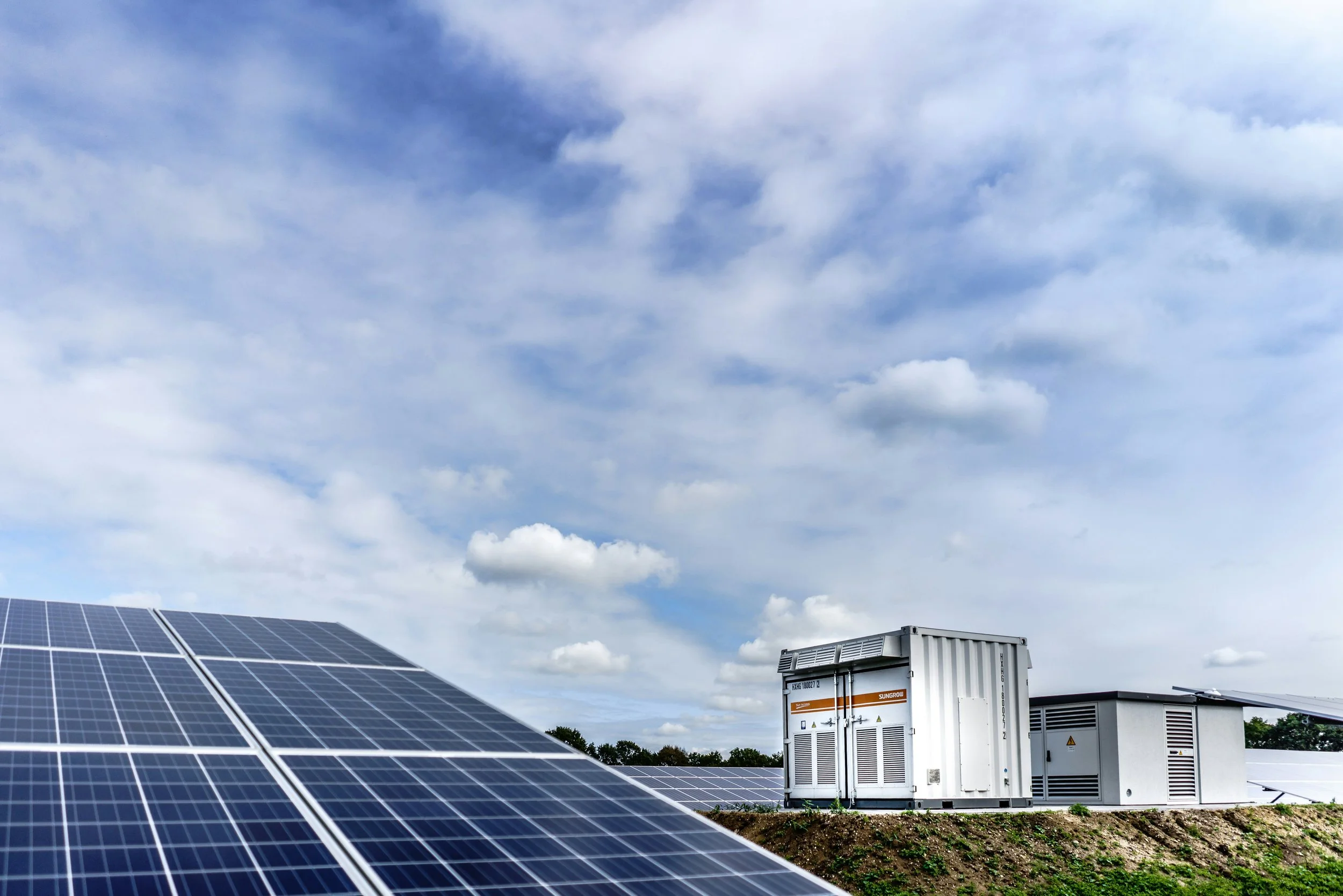
Solar panels paired with onsite battery storage — the kind of distributed energy resource pairing utilities and developers are scaling across South Carolina.
Photo: Sungrow
On June 2, Sustain SC hosted the second of three workshops in its 2026 Energy Series. The workshop, Building Resilience through Distributed Energy Resources, brought together utilities, businesses, developers, clean energy leaders, public-sector partners and other stakeholders to discuss how distributed energy resources can support South Carolina’s growing energy needs and strengthen long-term resilience.
Distributed energy resources, or DERs, are smaller-scale energy resources located closer to the customers, businesses, homes and facilities they serve. These resources can include rooftop and onsite solar, battery storage, demand management technologies, microgrids and other tools that help customers manage energy use while supporting broader grid reliability.
Using The Pew Charitable Trusts’ DERs Playbook as a starting point, the workshop explored which strategies may be viable in South Carolina, what programs and tools already exist, and where additional collaboration may be needed to support responsible, practical implementation.
The conversation highlighted an important takeaway: South Carolina is not starting from zero. Utilities, businesses, developers and public-sector partners are already exploring and implementing programs that can help expand the use of DERs. At the same time, scaling these resources in a way that supports reliability, affordability and economic growth will require continued coordination, customer education, policy clarity and practical implementation tools.
What South Carolina Is Already Doing
The workshop opened with a discussion of DER-related programs already available in South Carolina through Duke Energy, Dominion Energy and Santee Cooper. These programs are helping customers evaluate onsite energy options, manage energy use and, in some cases, reduce strain on the grid during periods of high demand.
The utility presentations showed that South Carolina has a foundation for continued DER growth. Existing programs, growing business interest in onsite generation and storage, and increased attention to resilience are creating new opportunities for customers and communities. Participants also noted continued opportunities to help customers better understand available options, evaluate project economics, secure financing and move projects from interest to implementation.
In the afternoon, SC NEXUS and the South Carolina Energy Office shared updates on energy innovation in the state. A regional panel featuring Jarrett Branham of The Branham Group, Michael Chanin of Cherry Street Energy and Matt Abele of the NC Sustainable Energy Association compared how South Carolina, North Carolina and Georgia are approaching DER deployment and how different policy and market structures are shaping outcomes across the Southeast.
A National Framework for DERs
The Pew Charitable Trusts’ DERs Playbook provided a national framework for understanding how states can bring distributed energy resources to scale. Brian Watts of The Pew Charitable Trusts emphasized that DERs can be an important tool for addressing rising energy demand, affordability pressures and grid reliability concerns.
The playbook outlines three broad goals for DER implementation:
1. First, states can better integrate DERs into utility planning, investment and procurement decisions so these resources are evaluated as part of the broader energy system.
2. Second, states can reduce administrative, technical and regulatory challenges that affect permitting, interconnection and customer adoption.
3. Third, states can use DERs to strengthen community resilience, including through resources that improve reliability, reduce outage impacts and provide backup power for homes, businesses and critical facilities.
Together, these recommendations helped frame the workshop conversation around which strategies could be adapted to South Carolina’s needs and where additional policy, market and collaboration opportunities remain.
South Carolina’s Progress and Remaining Questions
South Carolina has already taken meaningful steps to support distributed energy resources. Act 236, passed in 2014, helped create a framework for distributed energy resource programs and supported solar growth in the state. In 2019, Act 62, also known as the South Carolina Energy Freedom Act, continued that progress by addressing renewable energy programs, utility planning and customer-scale energy options.
The regional discussion showed that South Carolina, North Carolina and Georgia are each approaching DER deployment differently. Those differences matter. Policy design, utility programs, customer demand, financing tools and regulatory structures all influence how quickly projects can move from concept to operation.
Participants also discussed the importance of viewing DERs as part of a broader energy portfolio. Solar remains an important resource, but reliability also depends on complementary tools such as battery storage, demand management, microgrids, utility planning and other resources that can help meet demand when solar is not actively generating electricity.
Battery storage was a major part of the conversation. Storage can help capture energy for use during peak demand periods, improve system performance and reduce strain on the grid. Virtual power plants and aggregated battery systems were also discussed as potential tools for improving flexibility and resilience.
At the same time, participants recognized that battery storage adoption still faces practical challenges, including cost, financing, customer awareness, program design and policy considerations. The conversation reinforced that solar, storage and other DERs should be viewed as part of the larger balancing act required to build a more resilient, affordable and reliable energy future.
Collaboration as the Next Step
DERs are emerging as practical tools for grid modernization, customer choice and resilience. Presenters described them as flexible resources that can operate individually or be aggregated through tools such as virtual power plants to support reliability and reduce pressure on centralized infrastructure.
When asked about potential next steps for South Carolina, panelists discussed a range of options, including power purchase agreements, utility incentive programs for battery storage, microgrids for community resilience and emergency preparedness, supportive regulatory pathways and clearer options for commercial and industrial customers.
Some of these ideas are already being explored through utility programs and planning processes in South Carolina. Duke Energy, Dominion Energy and Santee Cooper each have programs in place that can support customer adoption of distributed energy resources, and stakeholders across the energy sector are continuing to evaluate how these tools can best support South Carolina’s growth.
The workshop reinforced that distributed energy resources can help South Carolina manage rising demand, support affordability, strengthen resilience and address infrastructure needs. It also made clear that no single stakeholder group can scale these solutions alone. Continued collaboration among utilities, businesses, developers, public-sector partners, clean energy organizations and community stakeholders will be essential to advancing practical energy solutions that support South Carolina’s economy and quality of life.
Looking Ahead
Sustain SC will continue the energy resilience conversation in Greenville on August 13 during the third workshop in its 2026 Energy Series, Balancing the Load: Data Center Energy and Water Management. The workshop will explore how the strategies involved with meeting energy demand driven by large-load growth, specifically the data center industry, while managing water impacts responsibly.